"most viewed this week on the years"
-
photo Felice Beato Until the mid-20th century, the majority of photography was monochrome (black and white), as was first exemplified ...
-
An ambrotype is a weak negative image on glass rendered positive by the addition of a dark background. Frederick Scott Archer, an Engl...
-
Silver is a common component of most historical photographic processes. Silver mirroring is a natural deterioration, inherent within silver-...
-
!click the title! The mid-nineteenth century saw the simultaneous birth of couture, photography, and modern art. For women of the Italia...
-
Daguerreotypes, ambrotypes and early tintypes were usually sold in small folding cases. The cases were designed to keep the fragile surfaces...
Me: I am modern day alchimist practicing photographic process of the 19th Century and the handcraft
last year
Red light district
"When he died, 89 glass-plate negatives were found in his desk showing prostitutes taken in around 1912 in ‘Storyville‘ the red ...
about me "work and lifestyle"
- CABARET øf SPIRITS
- ~ *~ It all starts as a photographer... the path leads me to specialized in the conservation & application of fine art and historic photographs and restoration of paper ... working in my Boudoir, CABARETøf SPIRITS ~ *~
Archive you missed the past months
Showing posts with label marine. Show all posts
Friday, 27 September 2019
Tuesday, 9 July 2019
Here I am. Engaged by publishers.
Etichette:
biografie,
book,
closed for holiday,
I am now,
Logbook,
marine,
ME,
old book,
pastisserie,
summer
Saturday, 18 August 2018
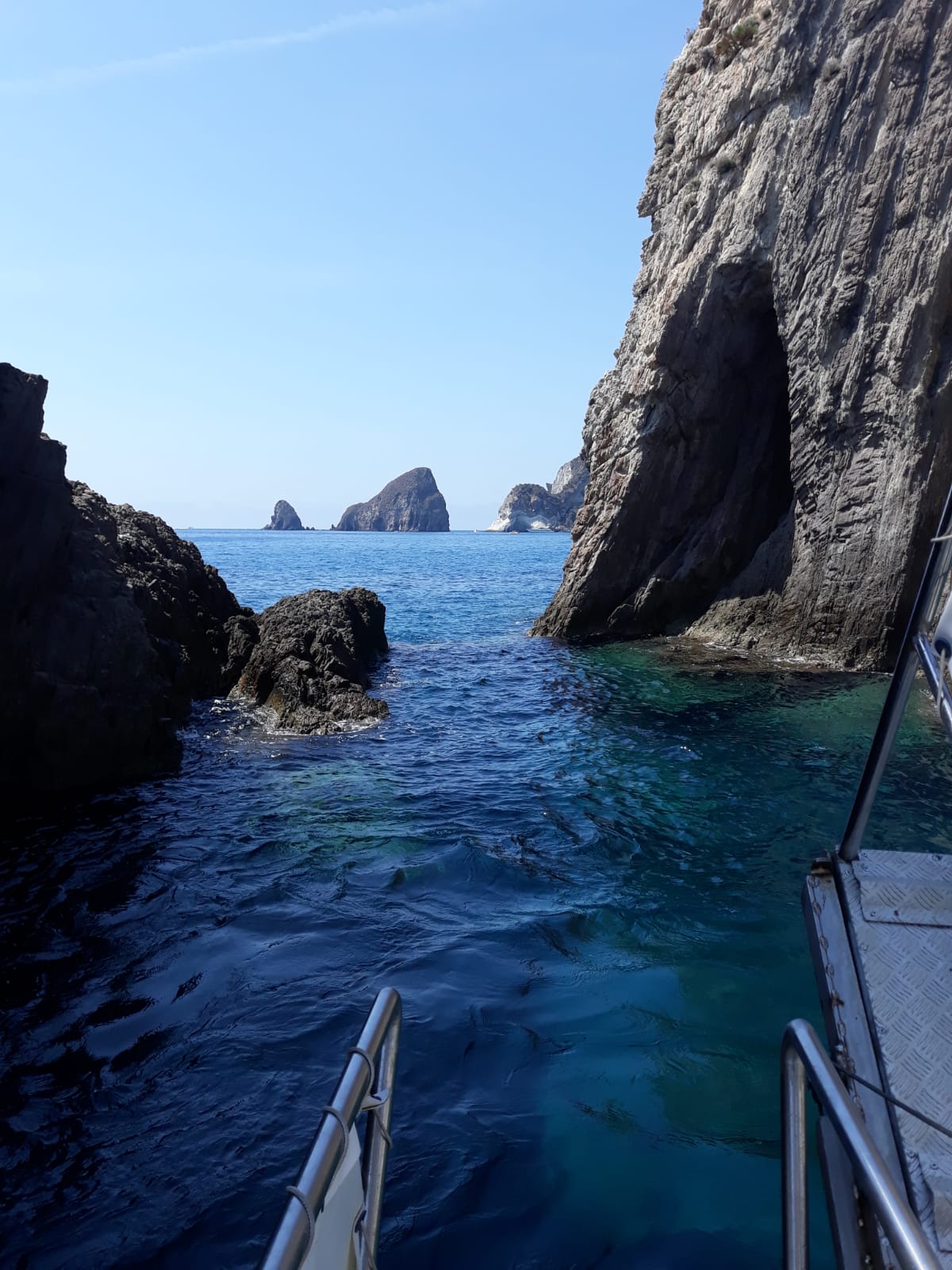
my Periplo. first step ... travel notes.
Etichette:
break,
closed for holiday,
DAGUERREOTYPES,
I am now,
Logbook,
marine,
relax
undefined
Mar Mediterraneo
Saturday, 16 June 2018
Friday, 28 July 2017
between a ball of wool and sipping a cup of tea
how can you not stay enchanted with these old photographs
... looking in my library a knitting book to make a sweater for this winter
I found this book of Welsh woman in traditional rural dress.
1885-1905
the unique Welsh hat
The cap
Also known as the mob cap, the cap was a linen or cotton head cover with goffered folded fabrics around the face. Some had long lappets which hung down the front below shoulder level.
The Welsh hat
The distinctive feature of Welsh hats is the broad, stiff, flat brim and the tall crown. There were two main shapes of crown: those with drum shaped crowns were worn in north-west Wales and those with slightly tapering crowns were found in the rest of Wales. They were probably originally made of felt (known as beaver, but not necessarily made of beaver fur), but most surviving examples are of silk plush (also sometimes known as beaver) on a stiffened buckram base. A third type of hat, known as the cockle hat, was worn in the Swansea area.
![]() |
| Sorg ond slaep |
undefined
Galles, Regno Unito
Saturday, 24 December 2016
Subscribe to:
Posts (Atom)